
The AI Encyclical
Thanks to Rev. Cameron Trimble for expressing the need: this isn’t so much a Great Idea as a call to create one.
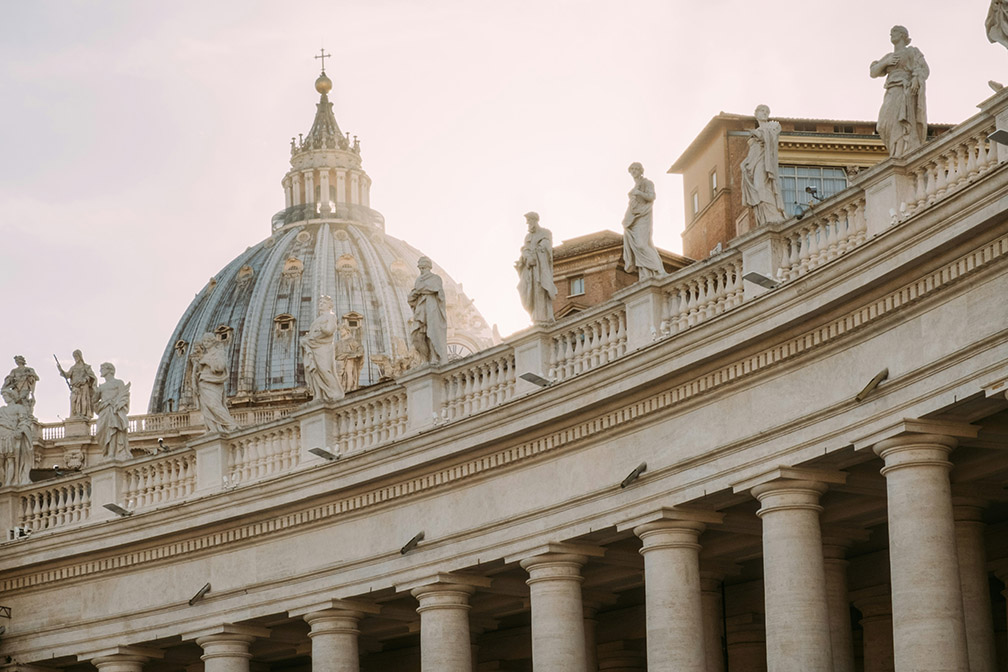
On May 15, 2026, Pope Leo XIV signed his AI encyclical, Magnifica Humanitas. The news cycle being what it is, most of us probably missed this profoundly important event.
Please read the full Magnifica Humanitas here.
In her reflection, Five Things Progressive Church Leaders Need to Know about Pope Leo’s AI Encyclical, Trimble writes:
Progressive mainline Protestants share the same core values: human dignity, the common good, justice for those who are vulnerable, and holding the powerful accountable. What we often lack is the theological structure to turn those values into clear, ongoing public teaching when facing new challenges.
AI is a new area for us. Our congregants are already dealing with the questions it brings. They use these tools at work and at home, see algorithms changing what their children see, learn, and believe, and are trying to figure out how to respond faithfully, often without much help from their churches.
This is our opportunity. We should not just agree with what Leo has said, even though his document deserves our real attention. Instead, we have the chance to develop our own voice, in our own tradition, with the same seriousness the Catholic Church has shown.
Read Trimble’s full post here.
Here’s the opportunity in search of a Great Idea:
Most mainline Protestant denominations have structures for creating Social Statements. Nearly all of those structures require years of essential input, crafting, editing, and revising before they are again brought before a large assembly to be ratified. And, if we’re honest, many if not most of the Social Statements that make it through this arduous process – strong and meaningful though it is – often get passed through the large assemblies and then go nowhere with regard to action or implementation in the real world.
Our challenge as church is: how do we raise awareness of, develop tools for conversations around, and collectively create meaningful – shared, communal, unified – responses to AI in our congregations, on the ground, in real time?
AND: missing from even Magnifica Humanitas, is concern about the existential threat AI poses to human life on the planet. Warehousing AI’s data requires egregious amounts of energy and water. These warehouses are causing water shortages, energy black-outs, dead soil grids, night-light blindness in pollinators, and more. Building moratoriums may be one place to start on common ground with communal leverage – allowing time for more protracted conversations about the spiritual and psycho-social-economic-justice concerns.
How do we get this conversation rolling????

