
Semiquincentennial Supplemental
Honesty about American history on our semiquincentennial is an essential step on the slow, long road to deep healing, real equity, and true freedom. Let’s celebrate that.
ONE
If you’re still debating – and maybe cringing – about observing (or even mentioning) the 4th of July – in worship: fear not.
There are some excellent resources for Gospel-centered, historically honest, reality-aware worship settings.
Elsa Anders Cook has compiled Prayers and Songs for the 250th Anniversary of the United States of America (Cooking with Elsa), and writes: ‘There has been so much effort to claim [the US’s 250-year] history with one voice that it is hard to know how to listen to the still small voice of God, though this is what our worship does. It leads us to an encounter with the one who sees it all.’
TWO
Three lists I’ve featured before that are also identified by Elsa, bear highlighting again:
- Illustrated Ministry’s 4th of July Pastoral Care Package
- includes letters of encouragement to pastors and CYF leaders
- short RCL reflections
- a worship liturgy
- children’s bulletin, story time, and full-color illustration
- youth activity
- coloring page
- social media graphics
- The ELCA’s Worship Resources for the US Semiquincentennial
- the ‘only mainline resource’ that offers particular prayers for Sunday, July 5
- multiple liturgical elements to share worship
- Preparing July 4th Worship: Resources to Resist Christian Nationalism
- from the Wisconsin Council of Churches – i.e., ecumenical
- includes prayers for worship and celebration
- ‘leads the community to challenge the tides of Christian Nationalism’
- includes a webinar discussing the resources with tips for putting them into use
You can do this 4th of July weekend worship thing! You really can.
THREE
 Bookshop.org has compiled Founding Stories Reconsidered, an excellent list of reading – for all readers – that, ‘[revisits] the nation’s founding through voices, conflicts, and possibilities often left outside the traditional narrative – and [offers] a richer and more expansive view of the American experiment.’
Book lists include:
- Picture Books about Community for Kids (children)
- American Heroes: Stories of Ordinary and Extraordinary Heroes (children to youth)
- America is Turning 250: Learn the History They Don’t Teach (youth to adult)
- Alternate American Realities (youth to adult)
- Revolution to Rights: America at 250 (adults
- #Revolution Reading List (adults)
- America at 250 (adults)
See also: ICT’s AMERICA 250: A Step-by-Step Guide to Indigenous Erasure: The missing and crucial truths not in America’s history books that redefined tribal nations and Native peoples 250 years after the country’s founding. (Kevin Abourezk; June 14, 2026).
FOUR
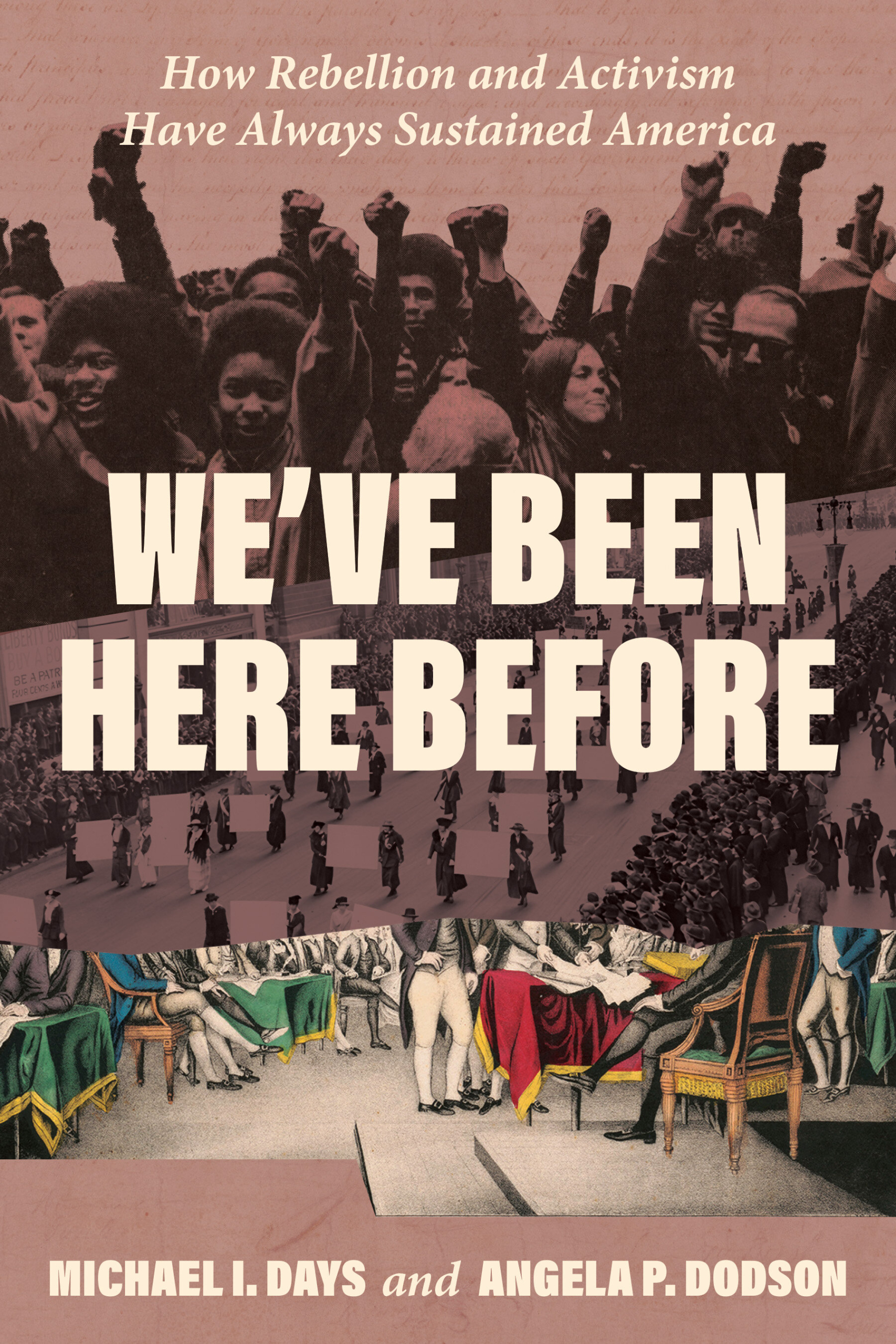 Some of us find hope and courage, remembering that, We’ve Been Here Before: How Rebellion and Activism Have Always Sustained America (Broadleaf), whose authors remind us, ‘America has always been sustained by rebellion and activism. It is up to us to continue the fight.’
Chris Smalls has taken this call to action seriously. The author of, When the Revolution Comes: A Fight for the Future of the Working Class (Pantheon), is also, ‘a young Black man from Hackensack, NJ with few to no resources’ who led ‘an improbable fight against Amazon… and won’ – and is now considered the, ‘leader of a new generation’s labor movement’.
FIVE
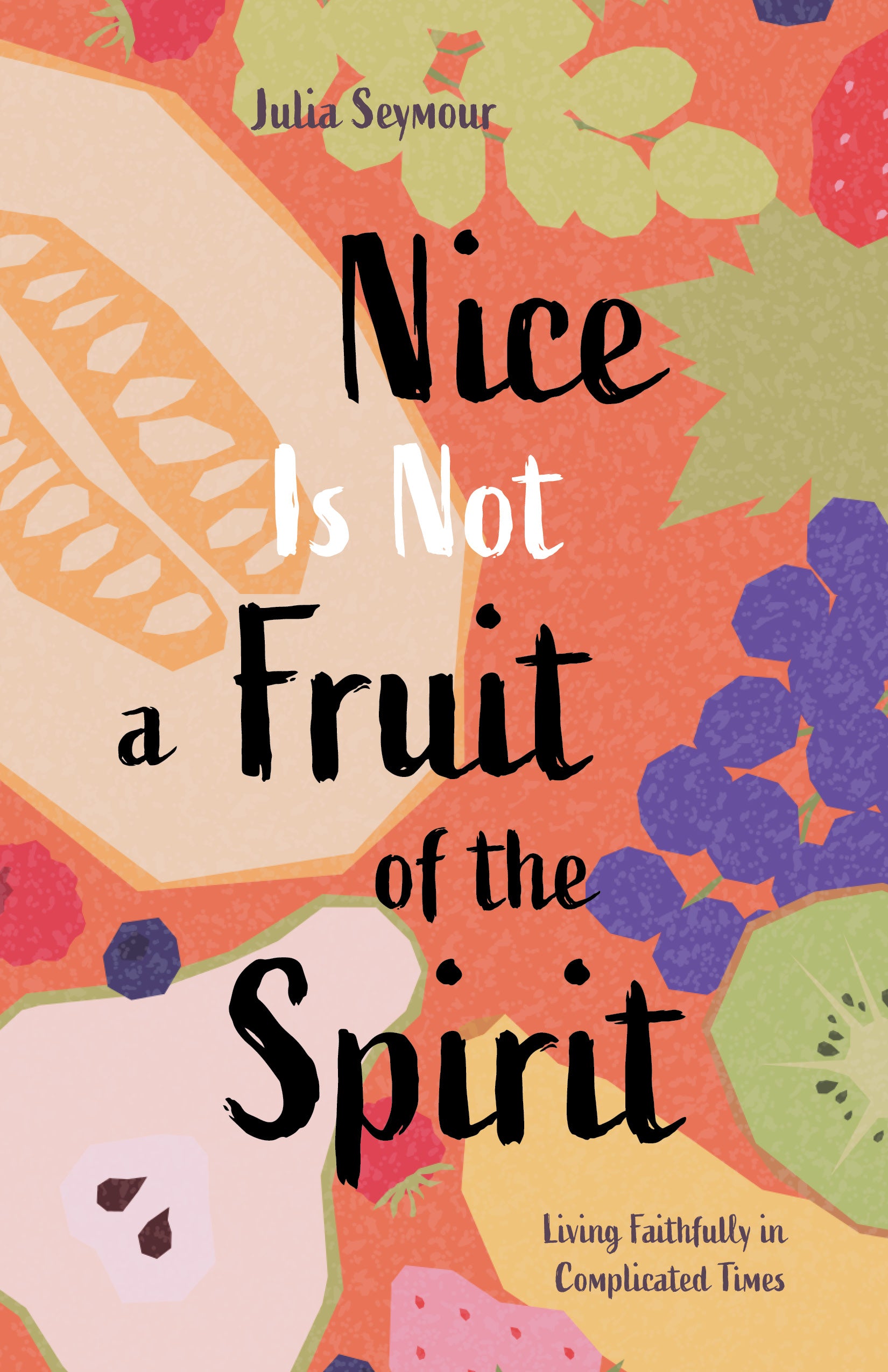 Congregations are beginning to realize that this type of leadership is essential – in the public square and in our congregations. Nice Is Not a Fruit of the Spirit: Living Faithfully in Complicated Times (Pilgrim) invites us to, ‘Dine on the delicious buffet of Galatians 5 in this timely examination of the Spirit’s call to live boldly in faith. Each chapter—each fruit—invites reflection and conversation to nourish authentic Christian living’ that, ‘builds community, fosters generosity, and practices peace’.
SIX
With our Littles we can see through eyes not our own, and appreciate beauty – and our nation – in new ways:
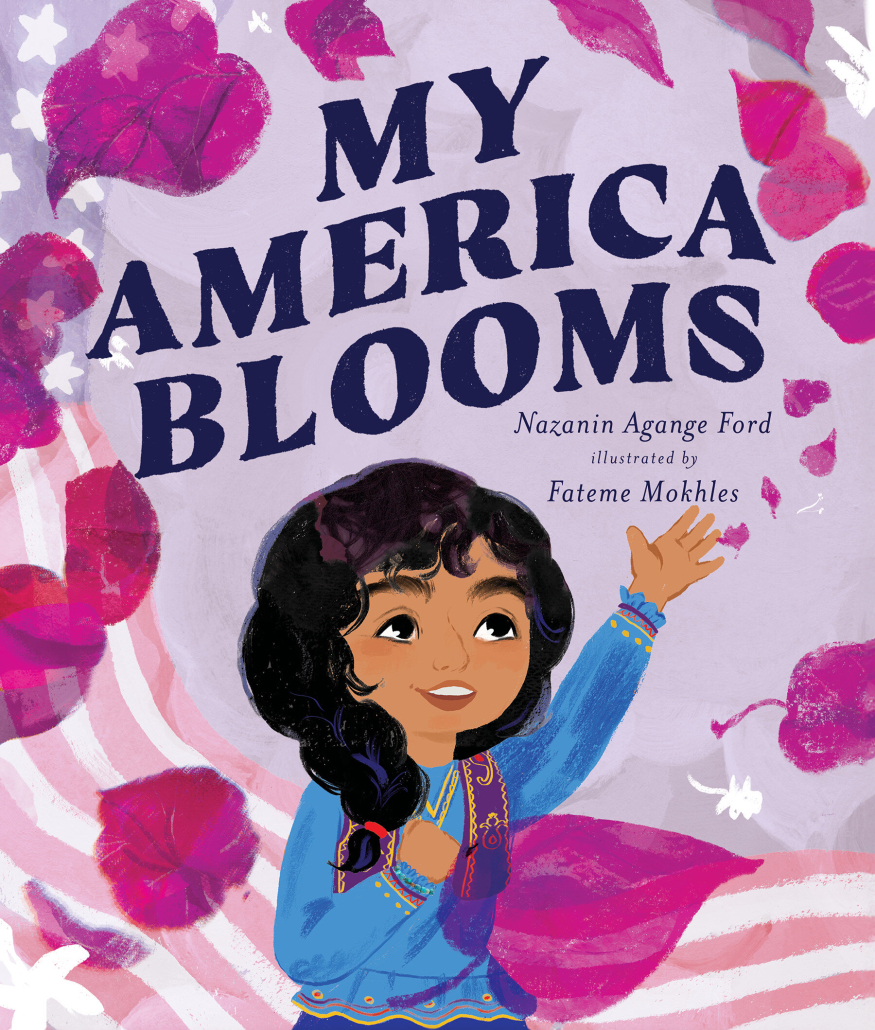
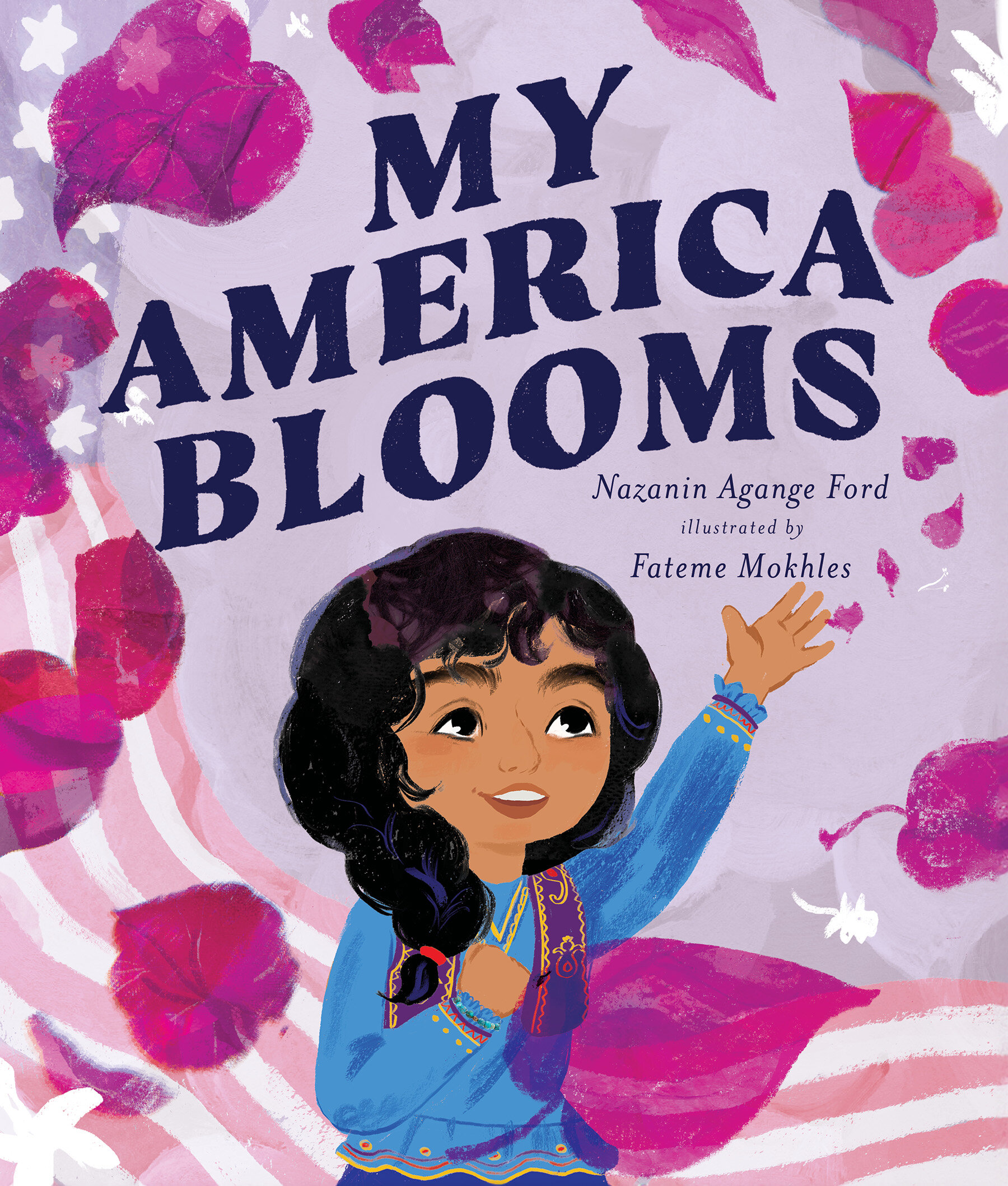 My America Blooms (Beaming), is a ‘hopeful story [that] embodies the American Dream in all its complexity’ as it ‘depicts the immigrant experience through the eyes of a child’ and ‘reminds all readers that they belong’.

