
Six New Things – Week of January 27, 2025
It’s been a rough couple of weeks – and we’re in for more. The goal right now is to prop one another up, inspire hope and engagement, and maybe bring a sense of agency and even empowerment to all.
ONE
Let’s start with the courage of mercy:
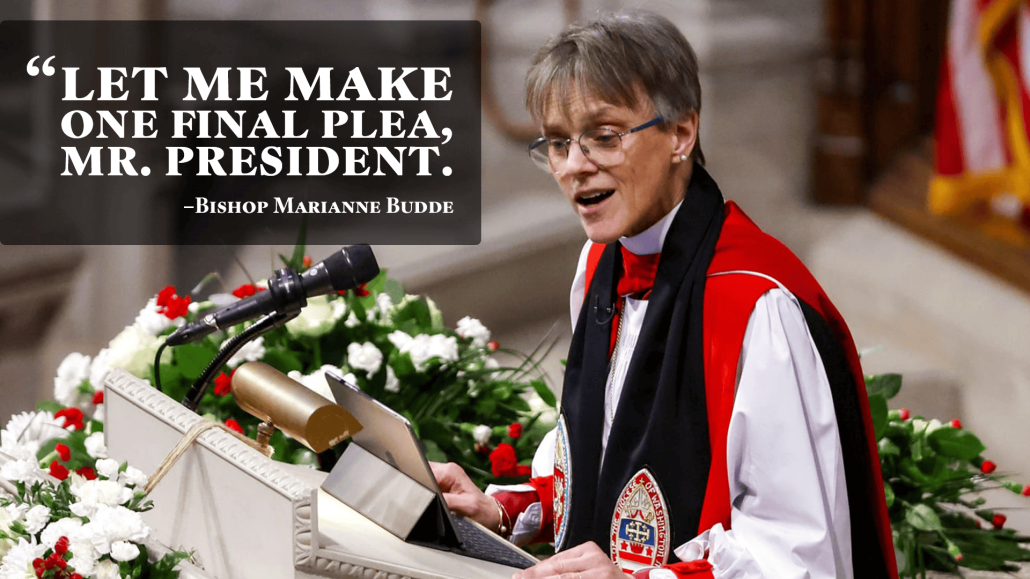
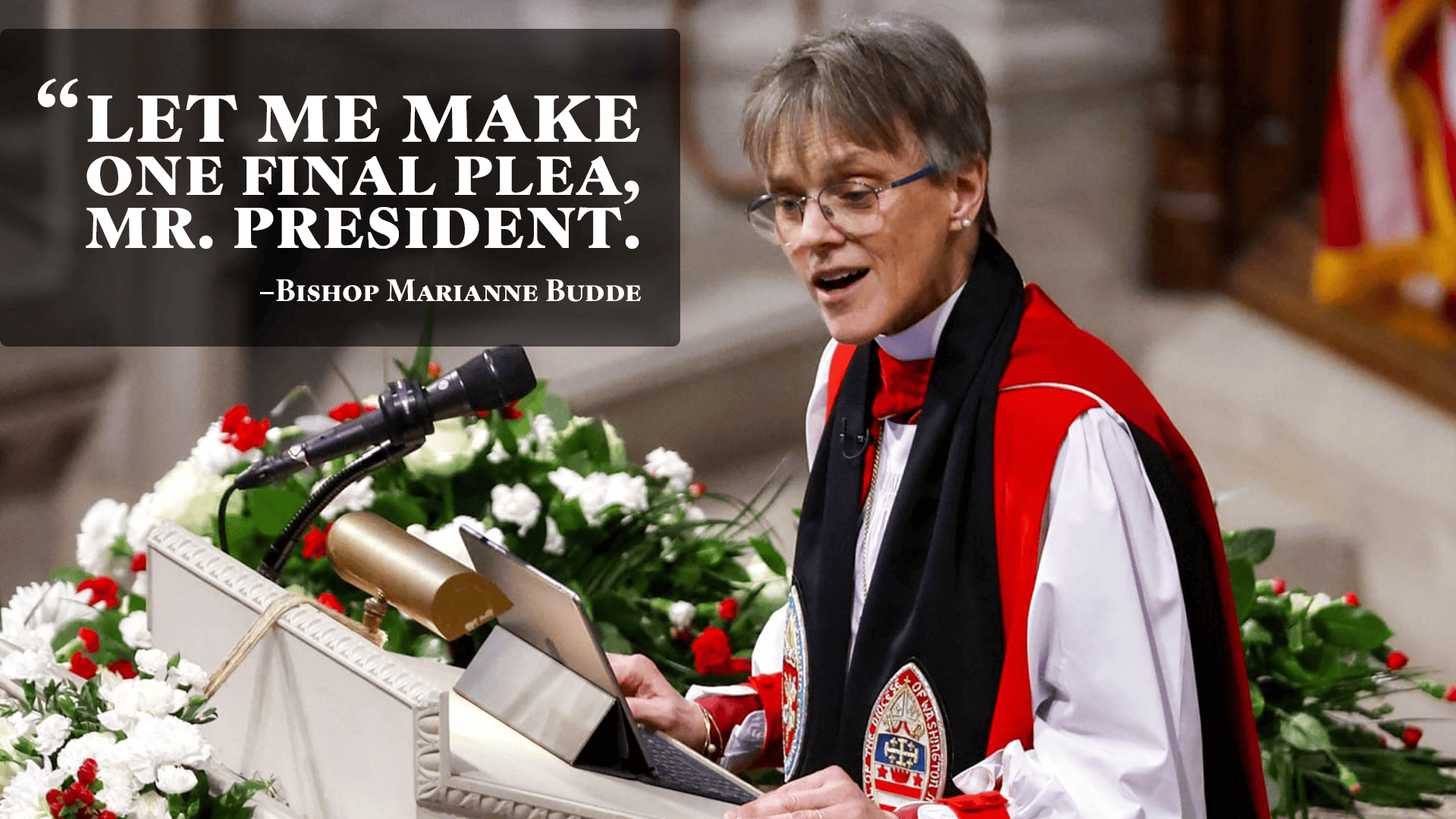 Bishop Mariann Edgar Budde’s sermon was galvanizing, gracious, and simply gorgeous. We may not all have her homiletic gifts, but we can develop courage, resilience, grace, and commitments to stand with our neighbors.
Start by sharing gratitude with Bishop Budde for her bravery – while learning from her sermon – with Illustrated Ministry’s, Bishop Budde’s Sermon – Youth Group Resources – great for Sunday school and/or intergenerational conversations.
They’re FREE and downloadable. Be sure to read the blog post! Find everything here.
Listen to Budde’s sermon in its entirety and get Diana Butler Bass’s take on it here.
John Nichols offers a refutation of those refuting Budde in The Bishop Who Spoke Truth to Trump Was Doing Her Job.
Learn more from Bishop Budde by reading her book together: How We Learn to Be Brave: Decisive Moments in Life and Faith (Penguin).
TWO
Counter fear with engagement, community-building, and hope.
Giving in to fear and overwhelm cedes power to those who are eager to grab it. Let’s resist!
Mastering Fear: Elemental Alarm System or Nagging Hound of Hell? (LCSJ) reminds us that fear has both a purpose and limits, ‘Without fear, none of us could survive; and yet with fear, none of us will survive.’
 Diana Butler Bass (again) asks, ‘What Are We Going to Do?: Preparing My House to Withstand the Wildfire of the Next Four Years‘, inspired by Rev. Traci Blackmon, Bass created ‘Ten Ws’ – for herself and, ‘For anyone who is floundering. It isn’t about fixing everything that is being broken. It is about building for the fire.’
For additional inspiration, encouragement, hope, and concrete steps for engagement in the days ahead, please see this week’s Great Idea, Listen to This.
THREE
Fear and overwhelm can lend themselves to congregational conflict just when unity and community are so important.
 Any one of these can help:
- Innovation Lab’s Navigating Conflict in the Church: Moving Forward Together
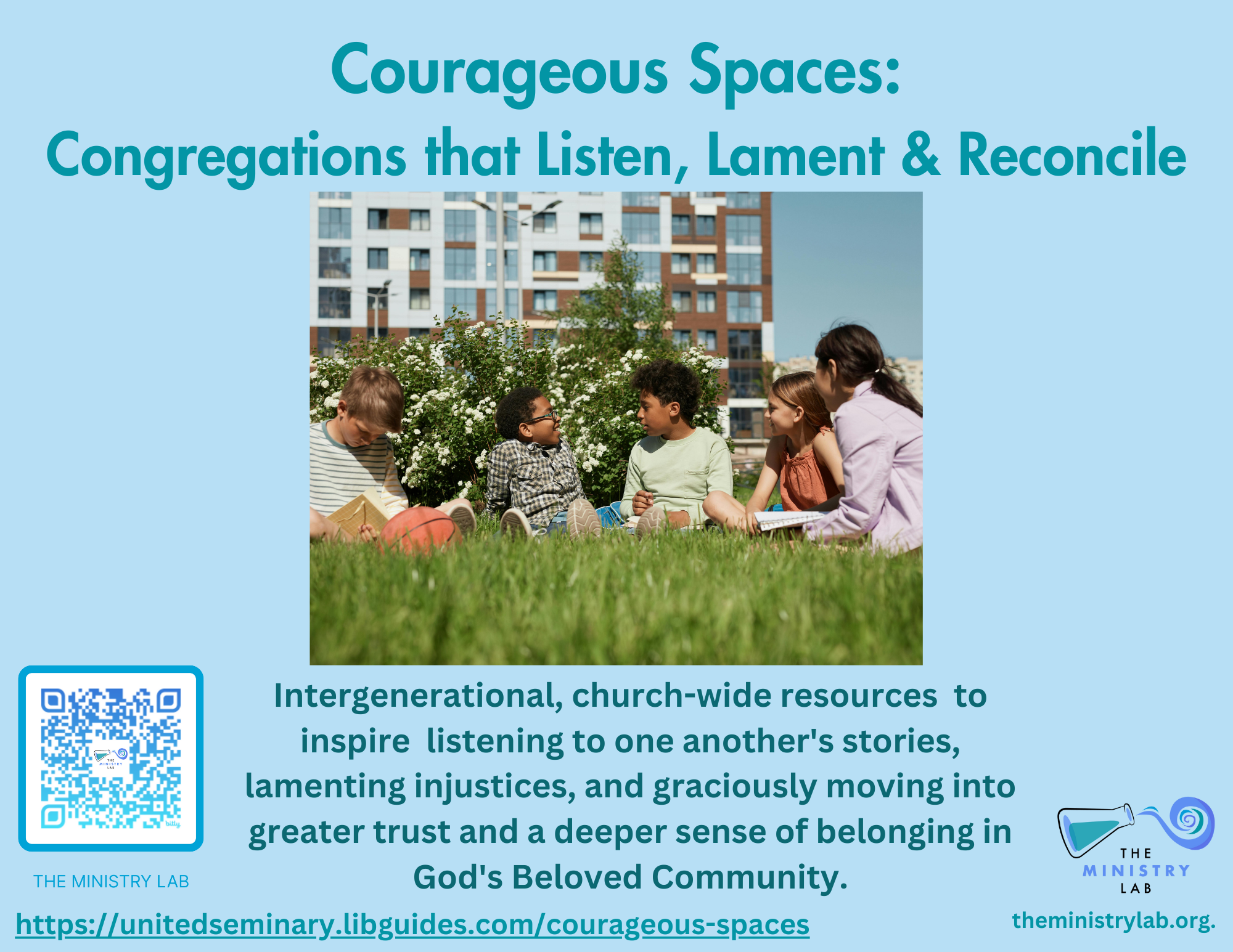
- The Ministry Lab’s Courageous Spaces: Congregations that Listen, Lament, & Repair
- The Ministry Lab & Lutheran Advocacy – MN’s Graceful Conversations: Building Arcs across Divided Perspectives
Find more in this week’s Conversation Starters Great Idea.
FOUR
Courage to engage across divides can lead to…
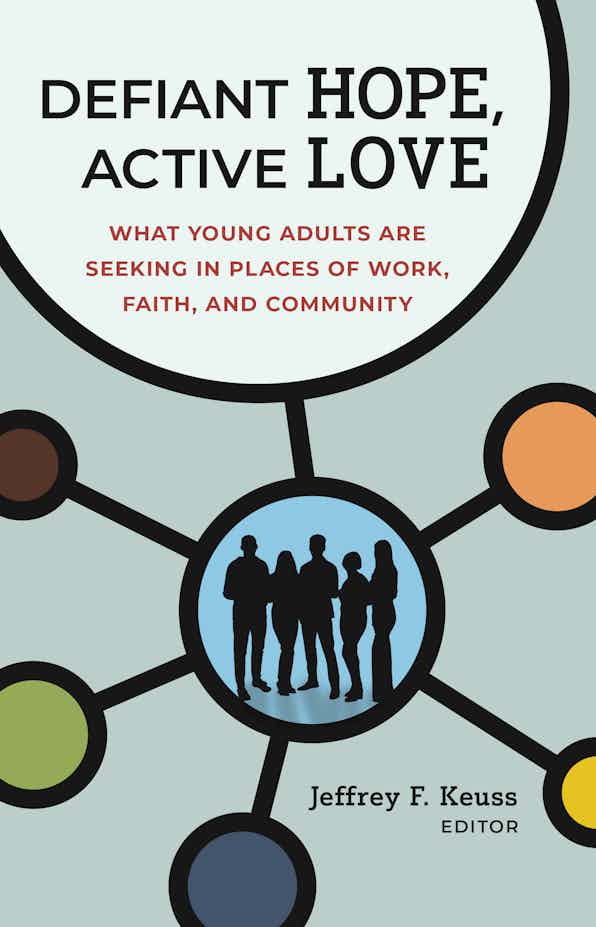 Defiant Hope, Active Love: What Young Adults Are Seeking in Places of Work, Faith, and Community (Eerdmans)
Anna Kendig Flores and Rachel Svanoe Moynihan provide spiritual practices to support Renewing Your Heart for Justice with monthly 15-minute Embodied Reflection & Practice videos (with accompanying optional questions and Scripture reflections).
FIVE
Courage is bravery to face the truth.
One tragic truth is that between November 5 and November 28, 2024, calls to LGBTQIA+ crisis hotlines went up by 700%.
That’s not a typo: 700%.
 Churches can respond in love by expanding welcome and belonging, deepening awareness, and broadening public advocacy for justice.
For immediate interventions and/or support:
- Call or text 988 – Suicide & Crisis Lifeline (English/Spanish)
- Text MN to 741741 – Free, confidential Crisis Text Line
- Text FRIEND to 62640 – NAMI Teen and Young Adult HelpLine (not a crisis or suicide prevention line)
- Visit MentalHealth Connect for:
- Crisis help now
- Connect with a Navigator (for assistance in connecting with a mental health professional)
To develop congregational and leader awareness, compassion, and tools:
- Visit NAMIMN.org for mentor/leader/parent training in prevention and intervention.
- In a Time of Trial: Supporting LGBTQIA+ Folks introduces a short list of helpful books.
- We’ve got more – for all ages – in our Relationships & Identity: LGBTQIA+ lib guide.
To broaden public advocacy:
- Join the efforts of OutFront Minnesota
- Discover PRISM, a brand-new multi-racial, multi aith coalition for LGBTQ liberation in MN
You don’t walk alone in seeking LGBTQIA+ justice – or justice of any kind! Find a list of vetted organizations with whom you might partner in our Another Perspective Great Idea.
SIX
Embrace the truth – and find hope for the future – by learning how we got here:
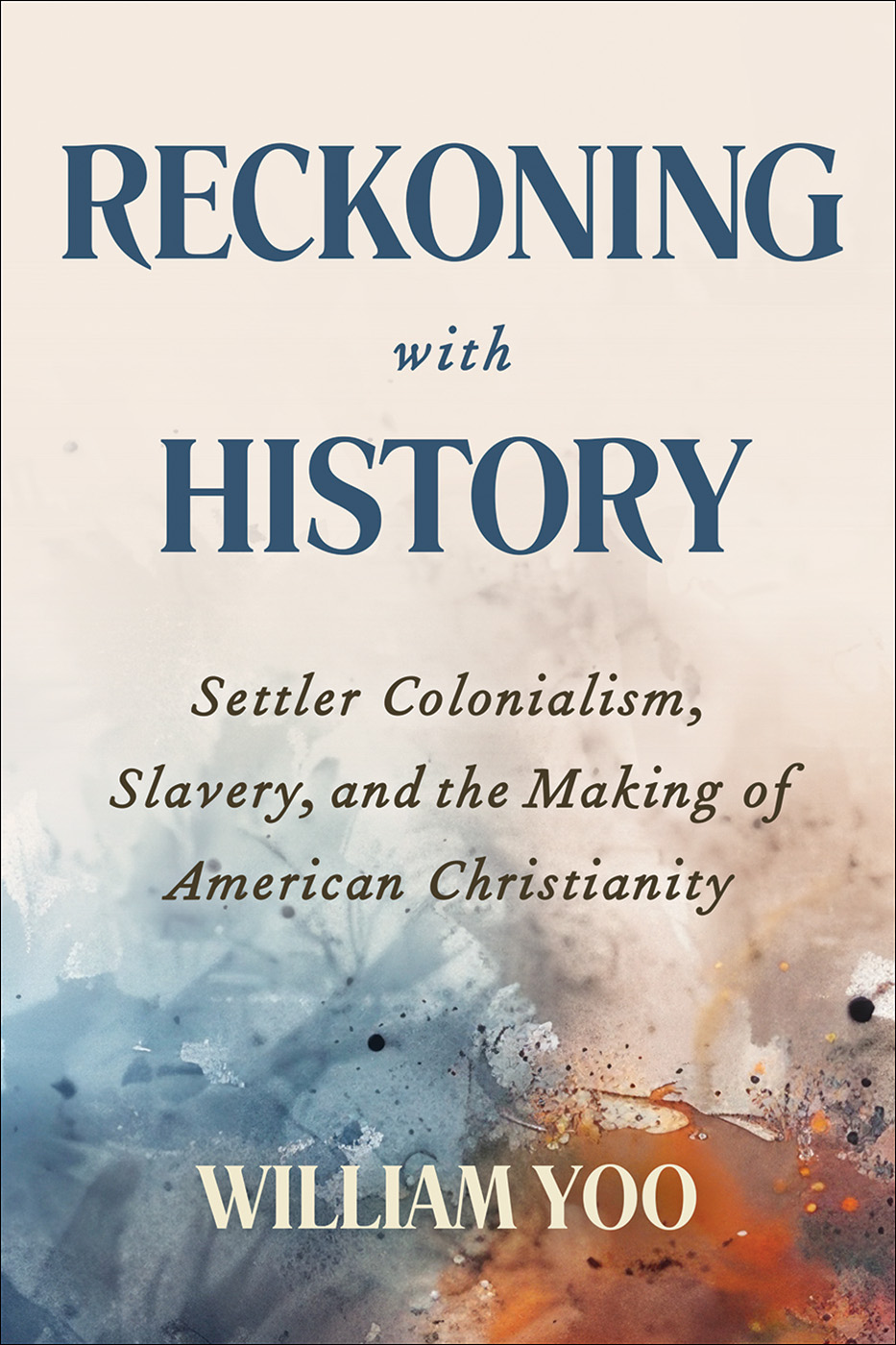 Reckoning with History: Settler Colonialism, Slavery, and the Making of American Christianity (WJK), ‘confronts the histories of settler colonialism and slavery and illumines how these… devastating realities informed and… deformed Protestant Christianity’, as its diverse primary sources ‘honor the stories of Indigenous peoples, enslaved and free persons of African descent, Indigenous rights advocates, and abolitionists’.
Walter Brueggemann puts these narratives and current realities in biblical perspective with Due Cause for ‘Alas’, a survey of prophets who ‘unerringly portray a system of usurpation that over time had transferred wealth and property into the possession of a powerful few at the expense of the large peasantry’.
Sounds familiar, doesn’t it?

